
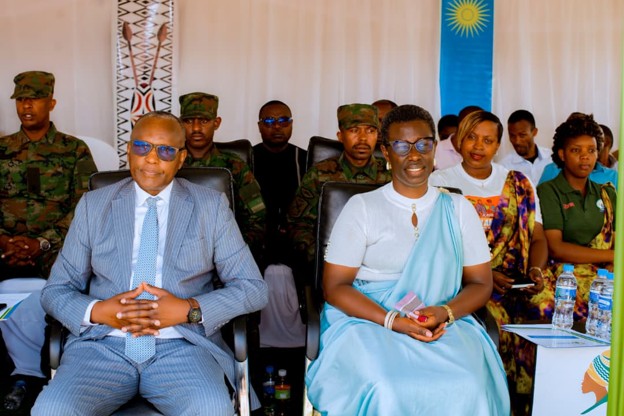
Muhanga District, Rwanda | 15 October 2026
Rural women play an important role in feeding families, supporting household livelihoods, and contributing to the development of their communities. However, many continue to face challenges that limit their opportunities to improve their lives and participate fully in decision-making.
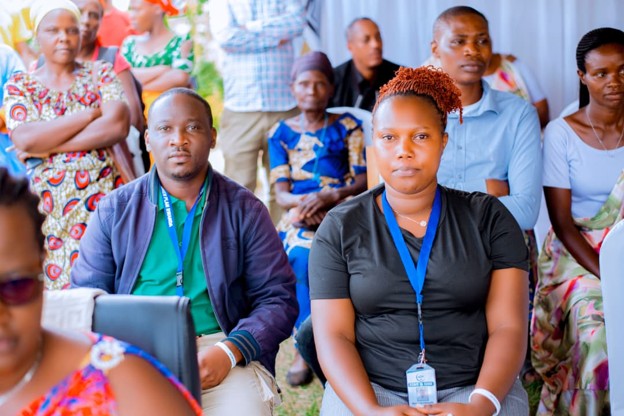
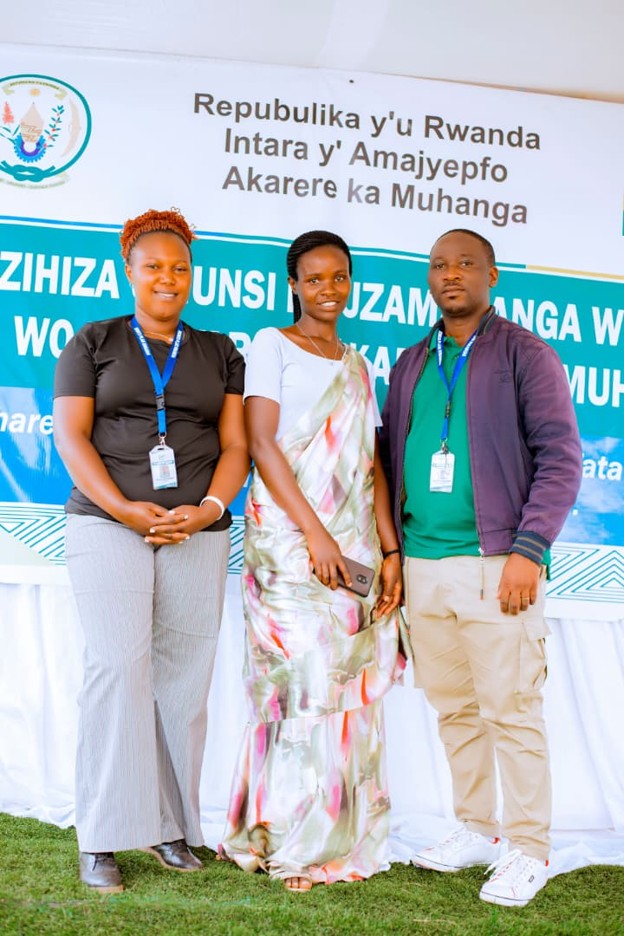
These issues were at the center of discussions on 15 October 2026, when Women Plan Rwanda (WPR) joined local leaders, community members, and rural women in celebrating the International Day of Rural Women in Munazi Cell, Kaboda Village, Mushishiro Sector, Muhanga District.
The global theme was “Rural Women Farmers Caring for Mother Nature,” while Rwanda’s national theme was “Financing Rural Women’s Empowerment.” The celebration providedan opportunity for women to share their experiences, reflect on the progress they have made, and explain the support they still need.
Rural Women Share Their Experiences
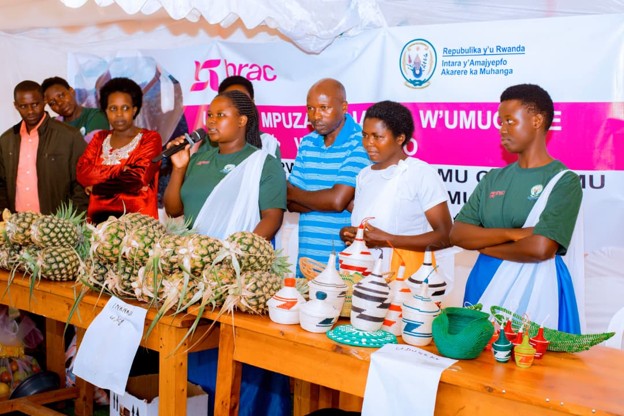
During the event, women from different parts of Muhanga District spoke about their achievements and the difficulties they face in their daily lives.
Many depend on agriculture and livestock farming, yet access to finance remains a major challenge. Women explained that obtaining loans can be difficult, particularly when financial institutions require collateral. They called for more accessible financial services that would enable them to invest in farming, livestock, and small businesses.
The discussions also highlighted the importance of family support. One woman explained how her family’s living conditions improved after her husband supported her decision to obtain a VUP loan and begin income-generating activities. Her experience showed how women’s economic participation can benefit the entire household.
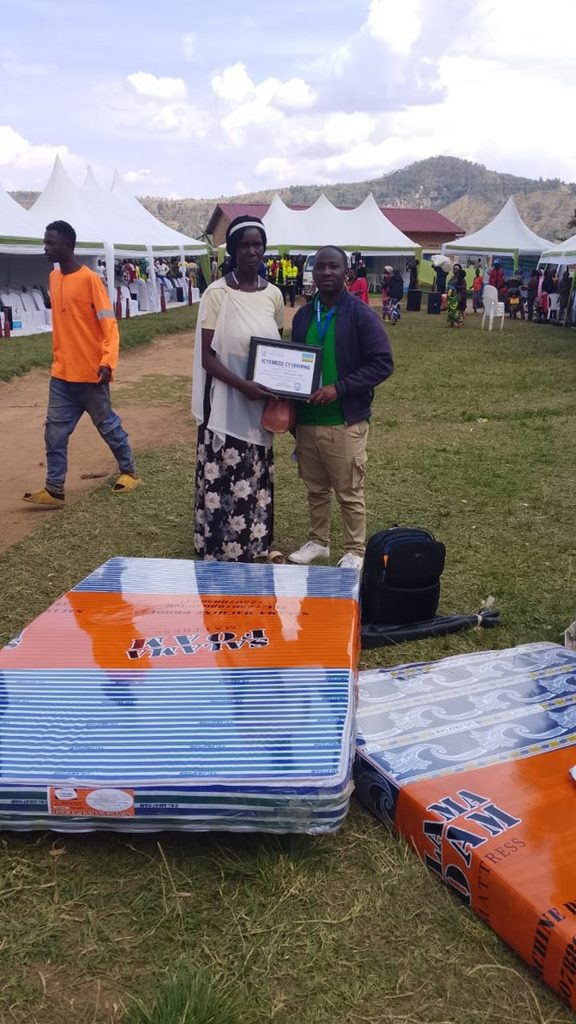
Another concern raised during the event was the limited freedom some girls have to participate in sports, martial arts, and other activities that develop their skills and confidence.
Recognizing Women’s Progress and Leadership
The event was officially opened by the Mayor of Muhanga District, Madam KAYITARE Jacqueline, who emphasized the contribution of women to family and national development.
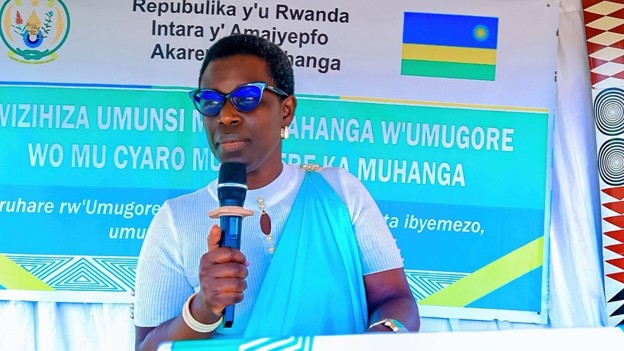
Mayor of Muhanga District, Madam KAYITARE Jacqueline,
She also called for greater efforts to address gender-based violence, discrimination in employment, limited access to financial services, and teenage pregnancy. The guest of honour, Hon. Bideli Jean, recognized the progress made in women’s participation in leadership and economic activities.
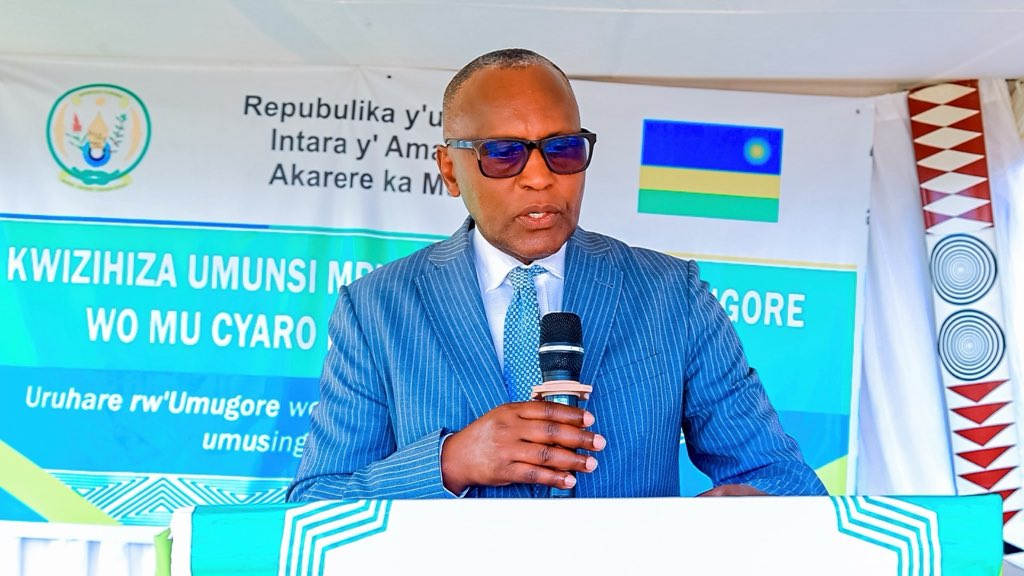
Hon. Bideli Jean
He encouraged continued cooperation among government institutions, men, development partners, and communities to address the challenges that remain.
Women Plan Rwanda also spoke with local women’s representative Madam UWIRINGIYIMANA Celine, who welcomed the organization’s efforts to support rural communities. She emphasized the need for practical training to help women build confidence, develop businesses, and make better use of available opportunities.
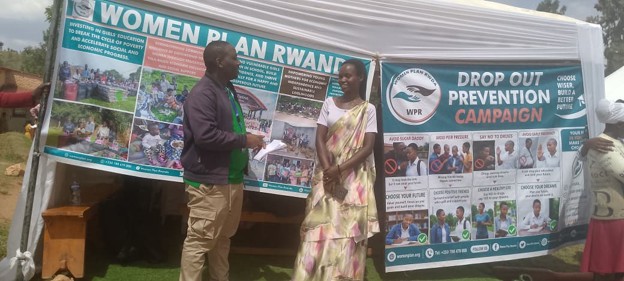
She also reflected on the changes in women’s status in Rwanda, explaining that women today have greater opportunities to speak publicly, lead, and participate in economic activities than in the past.
The WPR team also met Madam MUKAGASANA Janviere, an award-winning rural woman recognized for her contribution to women’s empowerment and participation in decision-making. Drawing on her experience in national service and business, she encouraged other women to believe in their abilities and pursue their goals.
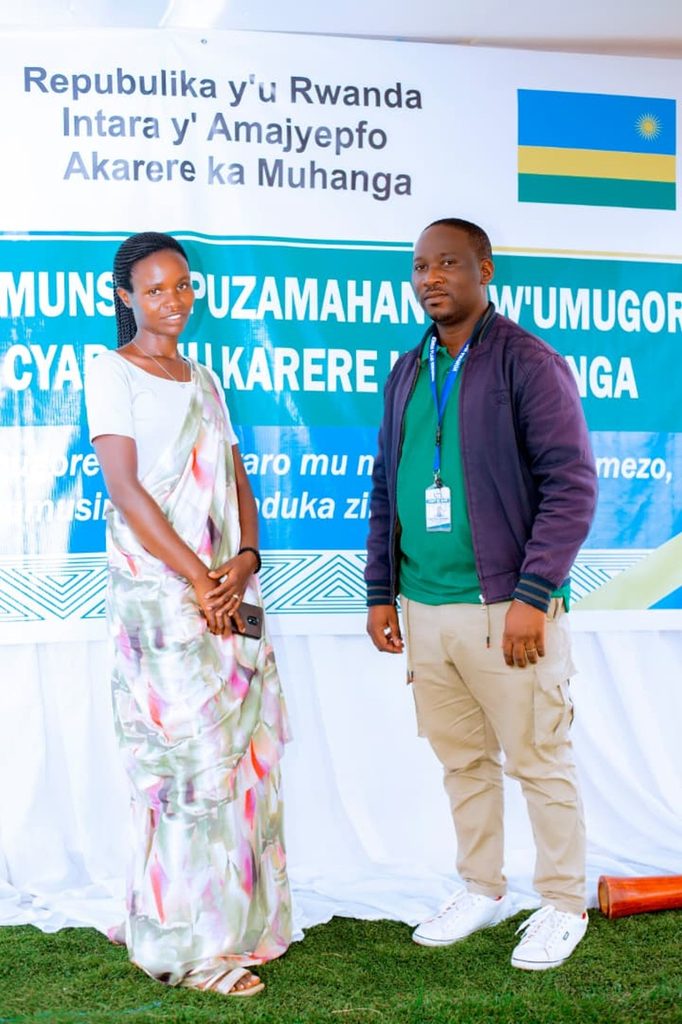
Her message was clear: rural women have the capacity to contribute meaningfully to their families, communities, and country when they are given opportunities to do so.
Challenges That Require Continued Action
Although progress has been made, the discussions identified several issues that continue to affect women and girls.
Teenage pregnancy and education: Participants raised concern about the increasing rate of teenage pregnancy in Muhanga District. Figures presented during the event indicated an increase from 10.7% to 12.8%. Early pregnancy can interrupt girls’ education and reduce their opportunities for the future.
Access to finance: Many rural women still struggle to obtain loans because of collateral requirements and limited confidence from financial institutions. Improving access to finance would help more women invest in agriculture, livestock farming, and other businesses.
Education and skills development: Girls and women need continued support to access education, develop practical skills, and participate more effectively in the labor market.
Equal opportunities: Some girls continue to face restrictions on participating in sports and other activities that could help them develop their talents and confidence.
Family support and shared responsibility: The discussions emphasized that women’s development should not be treated as women’s responsibility alone. Men, families, local leaders, and institutions all have a role to play.
What Needs to Be Done?
The experiences shared during the celebration pointed to several areas requiring continued attention.
Community organizations and relevant institutions need to strengthen awareness and education on teenage pregnancy prevention, girls’ education, and gender equality. Women also need access to practical training in financial literacy, entrepreneurship, and business management.
Financial institutions should work towards making suitable loan opportunities more accessible to rural women, enabling them to develop their economic activities and become more financially independent.
Families and communities should also encourage girls to pursue education, participate in different activities, and develop their abilities without discrimination.
ForWomen Plan Rwanda,these discussions reinforce the importance of continuing to work with rural communities, advocate for women’s opportunities, and support initiatives that improve the lives of women, children, and vulnerable families.
Appreciation to Our Donors and Development Partners
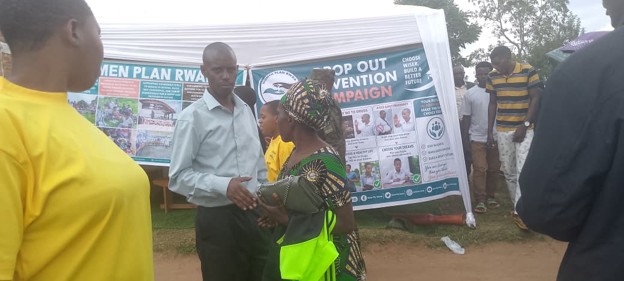
Women Plan Rwanda sincerely thanks its donors, development partners, local government authorities, community leaders, and other stakeholders whose support contributes to improving the well-being of women, girls, and vulnerable families.
We recognize that meaningful progress depends on cooperation between organizations, institutions, and the communities they serve. Continued partnership is important in helping rural women access opportunities, strengthen their livelihoods, and participate more fully in decisions that affect their lives.
We also thank the women who shared their experiences during the celebration. Their stories help bring attention to both the progress achieved and the work that remains.
Moving Forward Together
The International Day of Rural Women was an opportunity to recognize women’s achievements while listening to the challenges they continue to face.
The message from Muhanga was clear: rural women need more than recognition. They need access to education, finance, training, and equal opportunities to contribute to their communities.
Women Plan Rwanda remains committed to working alongside rural communities and relevant stakeholders to promote women’s development, support girls’ education, and address barriers that limit their opportunities.
Supporting rural women means supporting families, strengthening communities, and contributing to Rwanda’s development.
Women Plan Rwanda Working with communities to advance the well-being and development of women, children, and vulnerable rural families.