
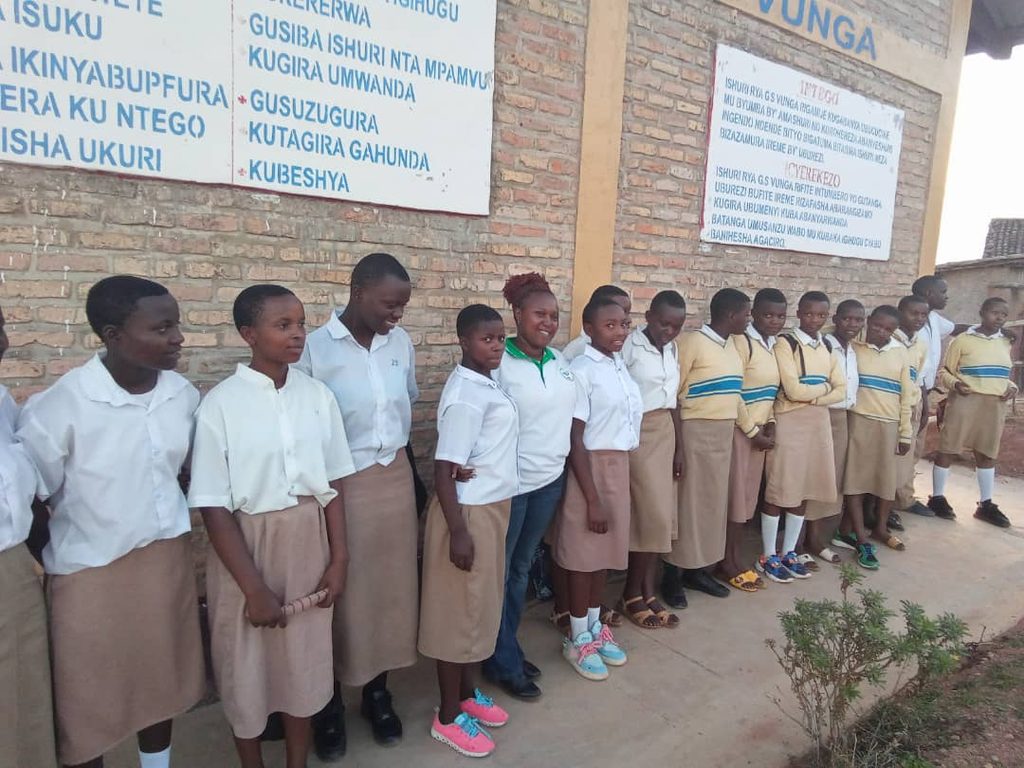
On 14 October 2026, Women Plan Rwanda (WPR), an organization committed to promoting the development of women, children, and rural youth from extremely poor families, visited its beneficiaries under the Dropout Prevention Program (DOP) at GS Vunga for an activity called “DOP Club Financial Literacy Training and Testimonial Collection.”
The DOP Program aims to prevent and address anything that could cause vulnerable girls to drop out of school or lose their educational opportunities.
The activity aimed to strengthen students’ financial literacy by teaching them how to develop a culture of saving, exercise self-discipline, and avoid unnecessary spending on things that could negatively affect their well-being or hinder their bright future. Students were encouraged to start saving with whatever small amounts of money they could afford, as a way of preparing themselves for a better future.
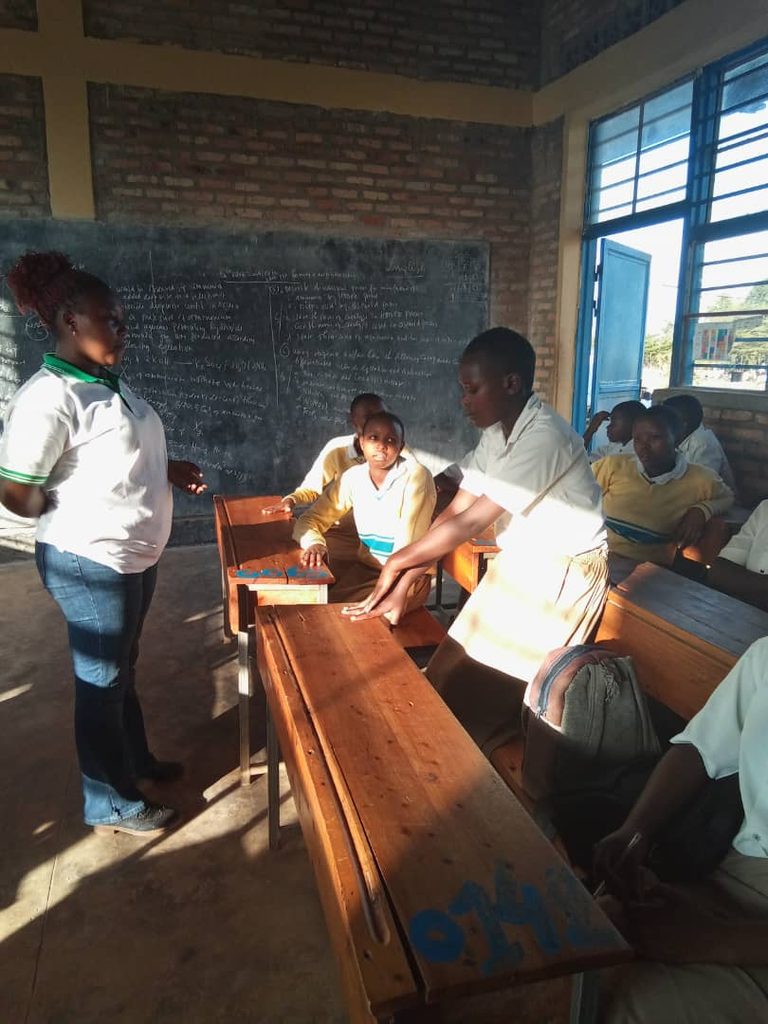
The activity also aimed to assess students’ educational progress by collecting their feedback, suggestions, and testimonies about the challenges they face, their progress, and their dreams for their academic lives. This was intended to help students build confidence and develop the abilities they need to achieve their future goals.
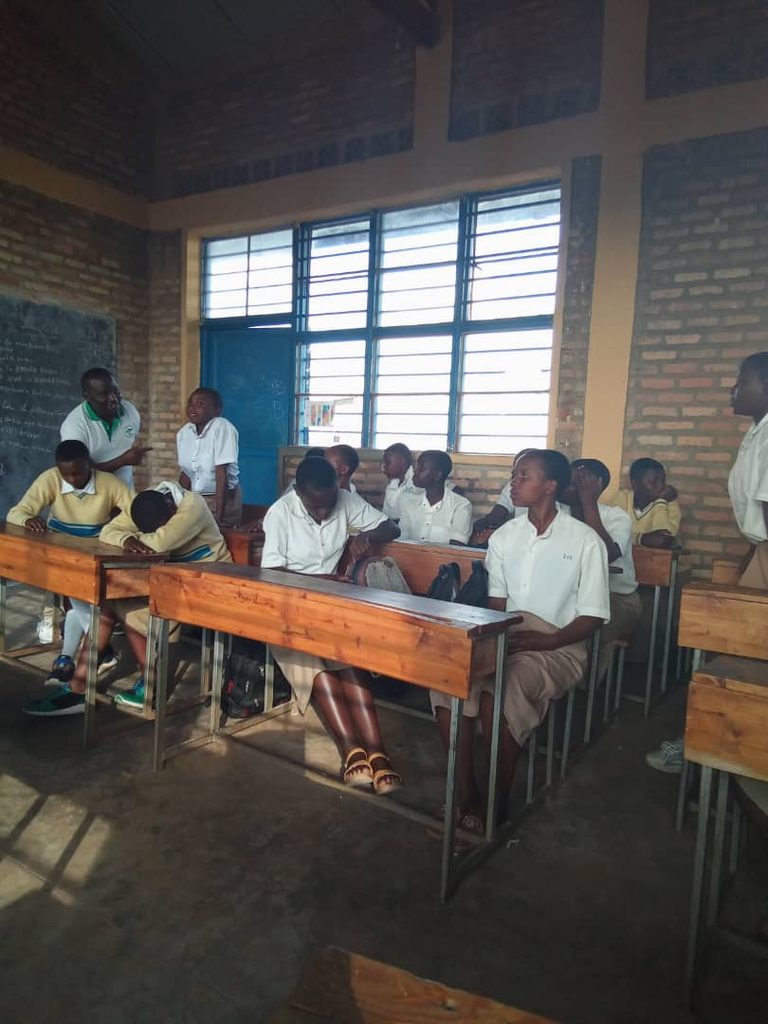
The students shared different opinions, most of which expressed happiness at being able to continue their education with satisfaction and peace of mind. They explained that they now feel more secure because they can continue studying without being sent home due to school fees.
They added that whenever they see their fellow students being sent home by school accountants, they experience mixed feelings of sadness and happiness. They feel sad for their colleagues but happy that they themselves can continue studying without such difficulties. They imagine that they could also have been among those sent home if they had not received support.
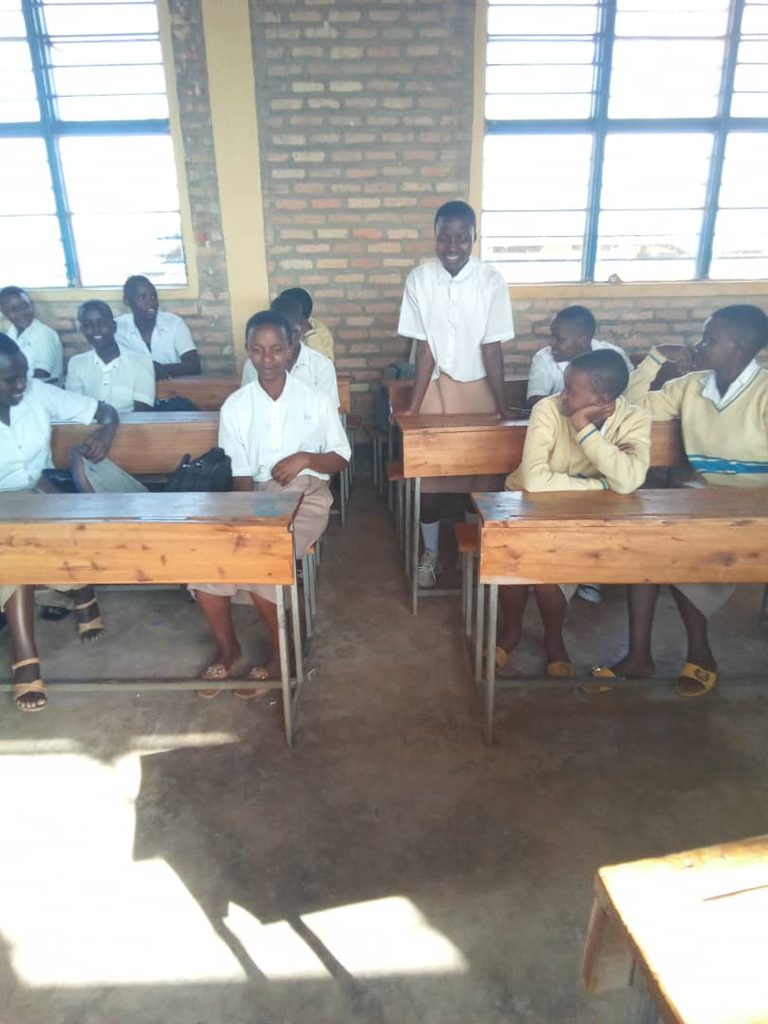
The students also highlighted some challenges they face in their studies. They explained that, among the subjects they are studying, Physics and Chemistry are particularly challenging because their teacher sometimes arrives late for lessons. As a result, they do not fully understand the subjects, even though they are determined to pass them with good marks.
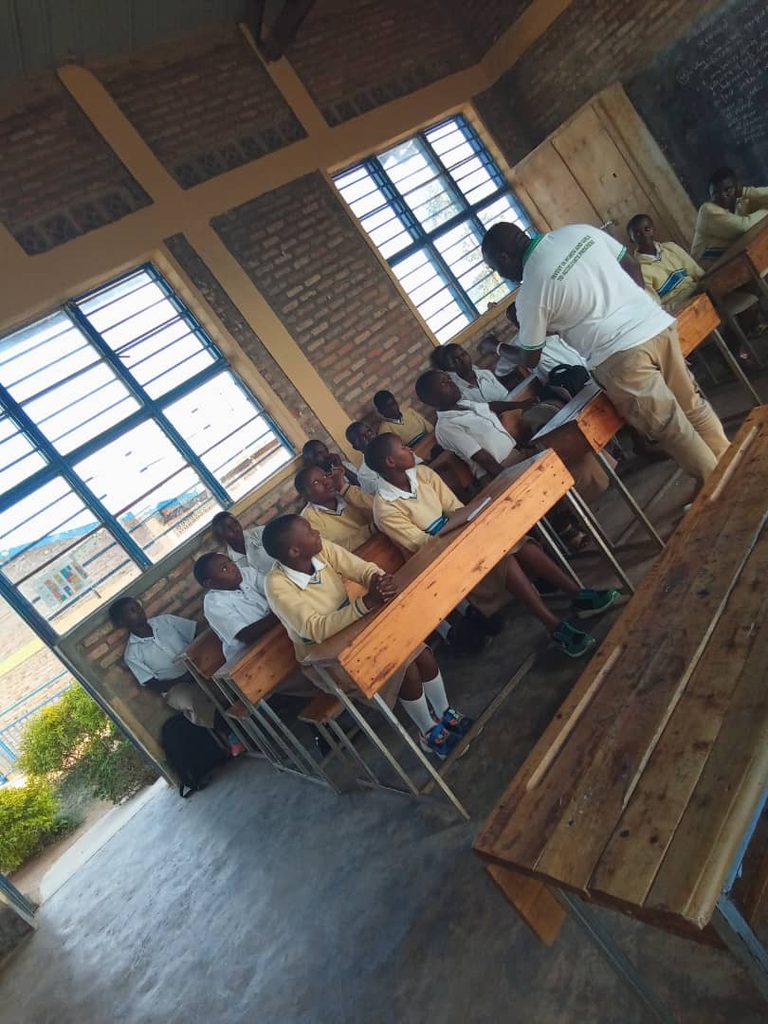
Regarding the reduction in school hours from 10 hours to approximately 7 hours and 30 minutes, the students expressed great appreciation. Previously, lessons started at 8:00 a.m. and ended at 5:00 p.m. However, the current schedule starts at 8:00 a.m. and ends at 3:30 p.m. They explained that this change has been very beneficial because they now have time to participate in clubs after school, where they gain valuable knowledge and skills.
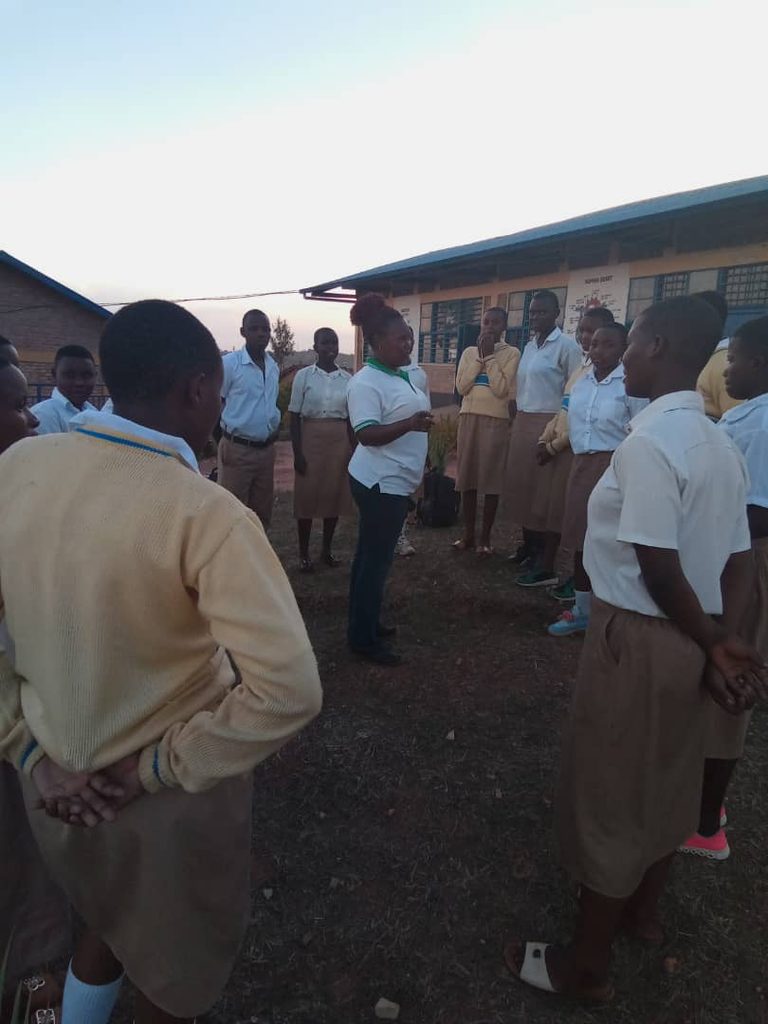
Regarding the promotion of a culture of saving as one of the key foundations for personal development, students are being trained through savings groups known as DOP Clubs. They are encouraged to start saving from even the smallest amount of money they can obtain.
The students expressed their appreciation for the financial literacy lessons provided by WPR through the DOP Clubs. They consider these lessons an important foundation for both their educational journey and their everyday lives.
They explained that the training complements the Entrepreneurship subject they study at school. It helps them understand the subject better because they can now put what they learn into practice, making the lessons more practical and meaningful. They also demonstrated a good understanding of the financial literacy training provided through the DOP Clubs.
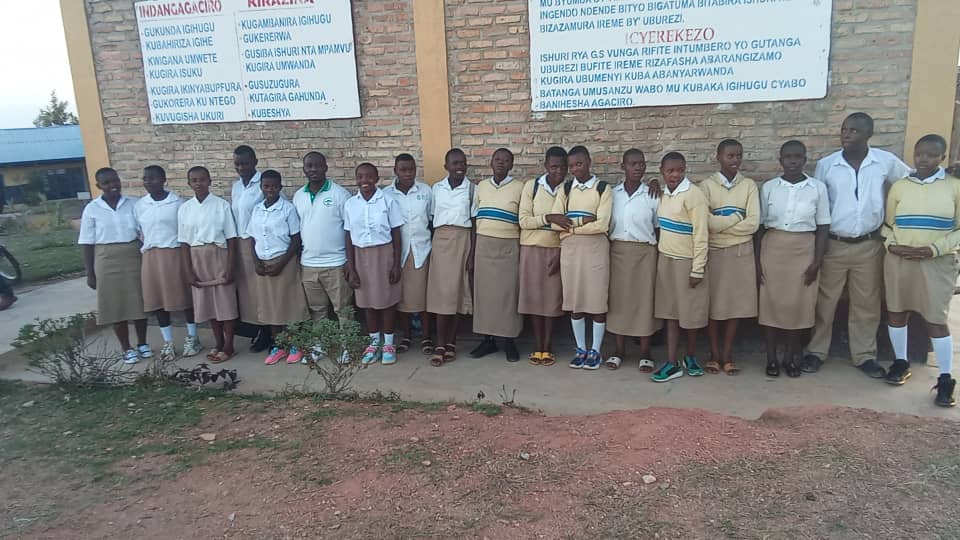
After five months of saving, the 17 students had accumulated a total of FRW 24,750. Of these students, 16 were girls and one was a boy. They had also issued loans amounting to FRW 3,600, meaning that the remaining balance in their savings account was FRW 21,150.
The student who has saved the highest amount so far is NIYINSENGA Onoline, a student in S3B, with savings of FRW 3,350. The student who has saved the lowest amount is IGIHOZO ISIMBI Sylvia, a student in S3A, with savings of FRW 1,050.
All the students attended the activity, representing 100% attendance, with no student absent.