
Educational tours organized by Women Plan Rwanda during the school holidays are helping vulnerable girls stay in school, understand Rwanda’s history, and gain the confidence to reject strangers who use false promises to deceive young people.
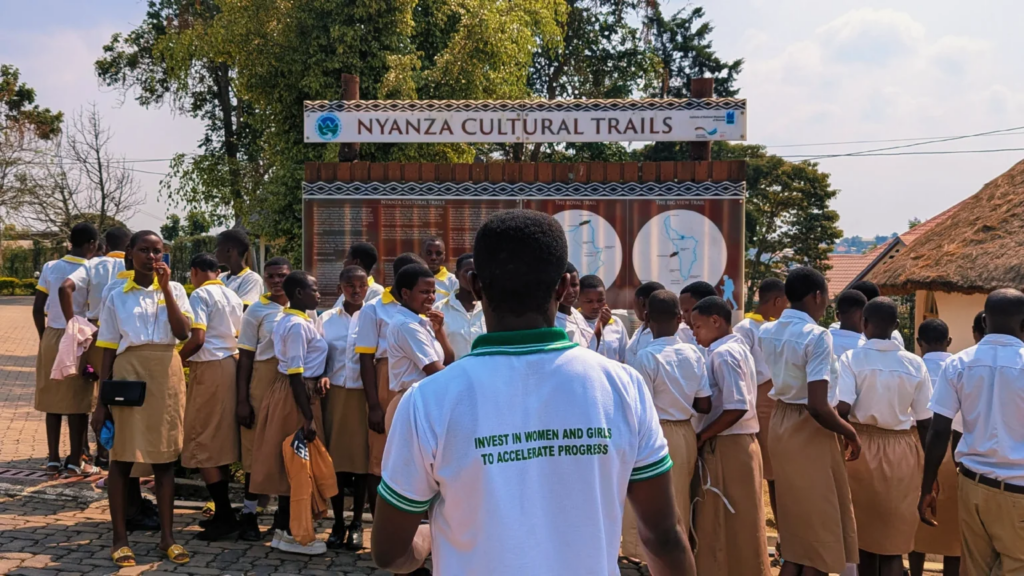
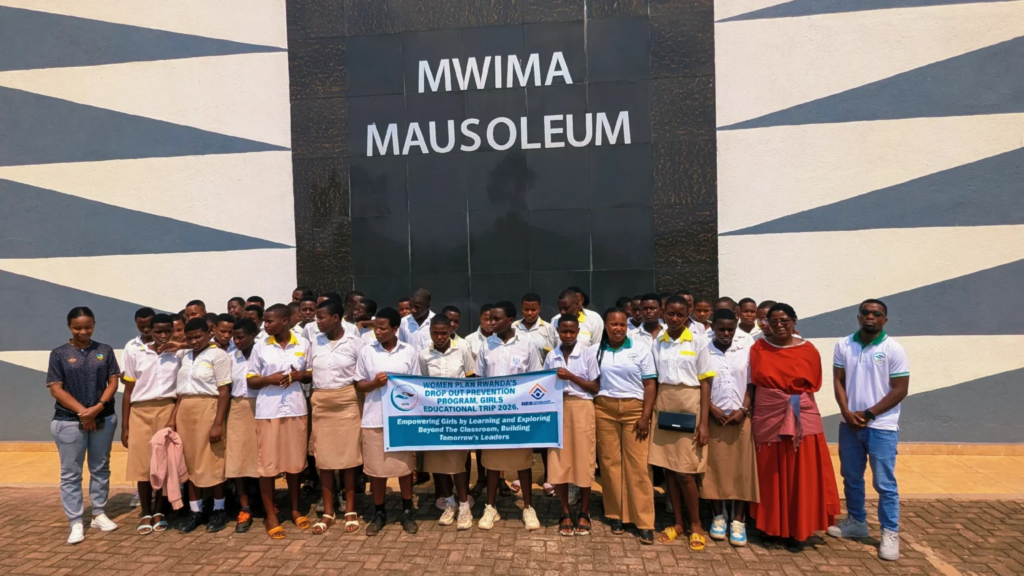
More than 40 students from different schools, selected from over 106 beneficiaries supported by Women Plan Rwanda, visited the King’s Palace Museum (Urukari) in Nyanza on July 30, 2026, as part of the organization’s Dropout Prevention Program (DOP) holiday activities.
The educational tour was organized to help students understand Rwanda’s history and culture outside the classroom. However, many of the girls said the trip gave them something even more valuable knowledge and confidence that can protect them from people who use attractive promises to deceive young people, especially during school holidays when children are more exposed to risks.
For many of the students, it was the first time they had visited historical sites they had only read about in school.
Learning History by Seeing It
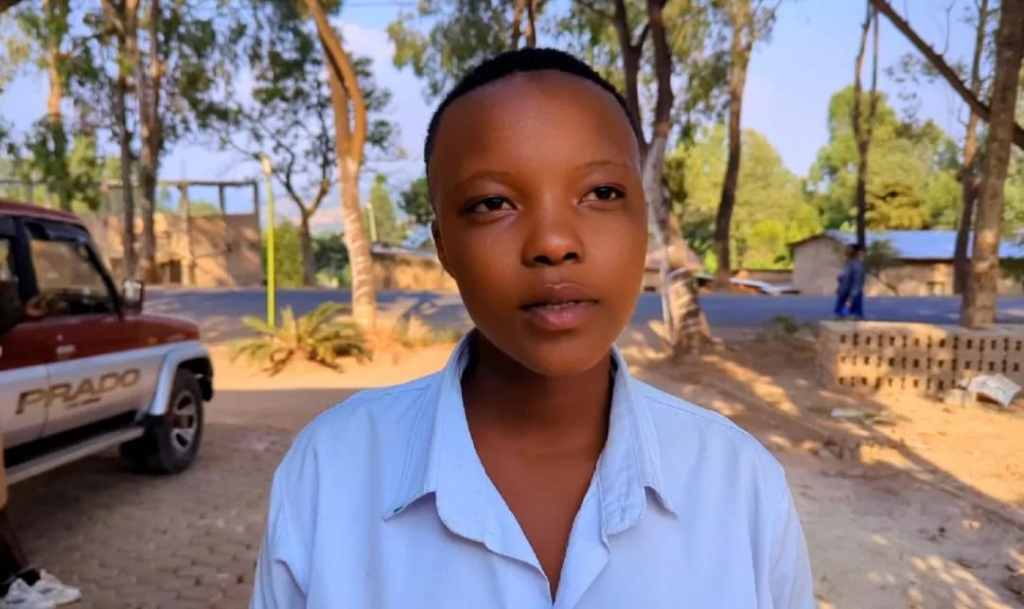
Mutuzo Clara Cynthia, a beneficiary of Women Plan Rwanda’s Dropout Prevention Program, says visiting the King’s Palace Museum gave her the confidence to reject strangers who use false promises to deceive young people.
Mutuzo Clara Cynthia, a student at Groupe Scolaire Vunga, said the visit completely changed the way she understands history.
“Before this trip, we only learned about these places in books or heard people talking about them. I had imagined them, but I had never seen them with my own eyes. When we visited the King’s Palace Museum, I finally understood what we had been learning in class. Seeing everything for myself helped me understand our history much better than simply reading about it.”
She said the experience also gave her confidence that could protect her from people who try to deceive young girls.
“If someone came and told me, ‘Come with me and I will show you this place,’ I would not go because I have already visited it. Some people use those promises because they want to take advantage of young people or have another hidden purpose. That can even put someone’s life in danger. Now I can simply tell them, ‘I have already been there.”
Cynthia added that she now wants to encourage other young people to visit museums and historical sites so they can learn about Rwanda’s history and culture by seeing it themselves instead of only hearing about it.
Knowledge That Builds Confidence
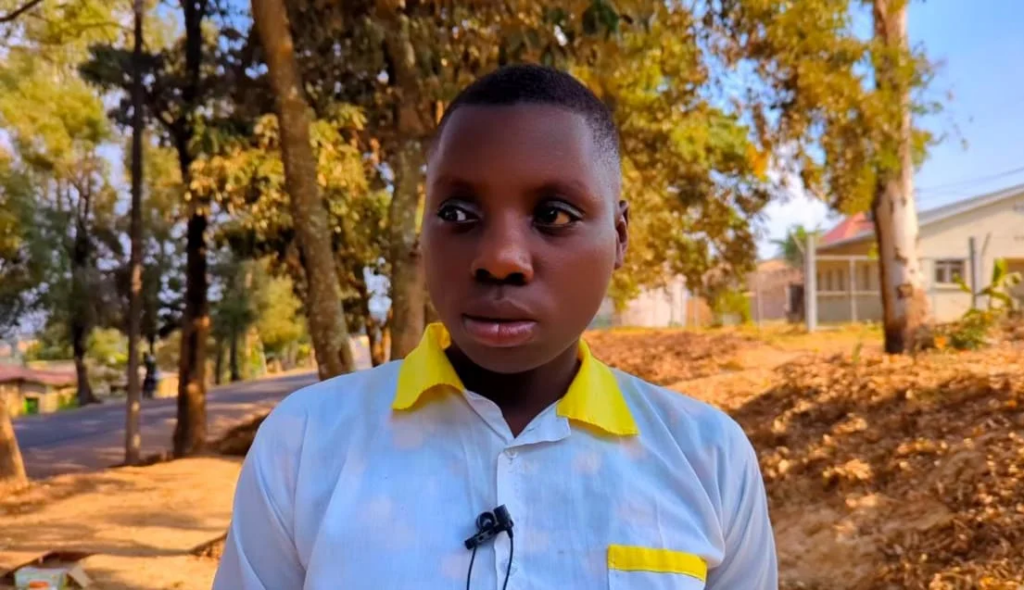
Uwase Sonia says seeing Rwanda’s history in person helped her understand classroom lessons better
Uwase Sonia, a student from Groupe Scolaire Kaganza, said the trip helped her understand Rwanda’s history in a way that books alone never could.
“We had learned about Rwanda’s kings and museums in class, but we had never seen them ourselves. Visiting these places helped me understand much more because I saw everything with my own eyes.”
She said the experience also made her feel safer.
“If someone came and said, ‘Come with me and I will take you to the museum or another beautiful place,’ I would know they were trying to deceive me because I have already been there. They cannot use that promise to trick me anymore.”
Before receiving support from Women Plan Rwanda, Sonia said paying school fees was one of the biggest challenges that threatened her education. Today, she says the organization has helped her stay in school while giving her opportunities she never imagined she would have.
More Than Just a School Tour
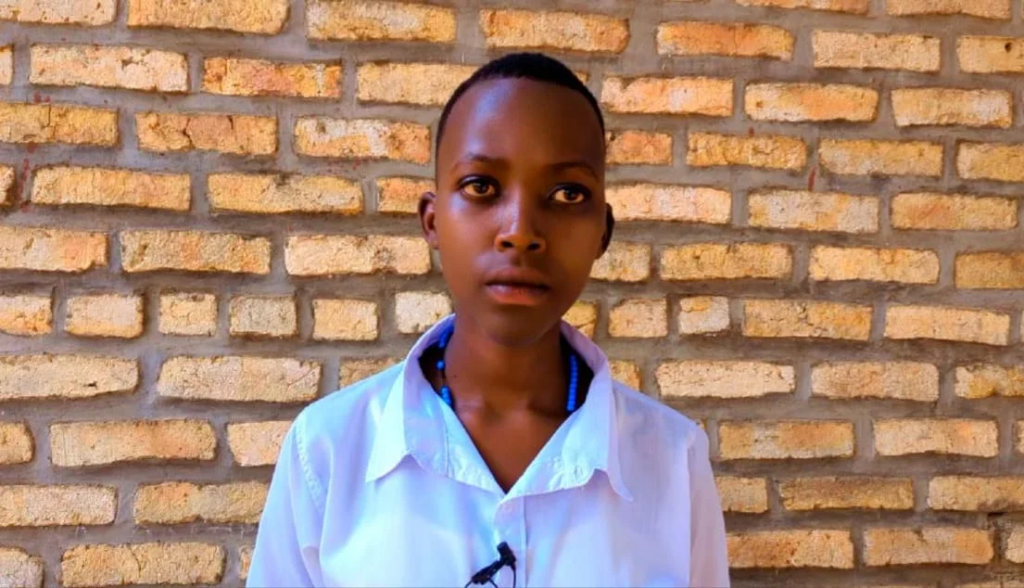
Murungi Jessica says learning outside the classroom helped her better understand Rwanda’s history and motivated her to continue her education.
Murungi Jessica, another beneficiary, said the visit helped students understand both Rwanda’s history and their own future.
“The things we studied in History became real because we saw them face to face. We learned where Rwanda came from, how our country has developed, and why it is important to protect our culture. The trip also helped us relax after spending so much time studying in class.”
Jessica said learning outside the classroom makes lessons easier to understand and remember while giving students new motivation to continue their education.
Keeping Girls in School
The students are supported through Women Plan Rwanda’s Dropout Prevention Program (DOP), which helps girls from vulnerable families remain in school.
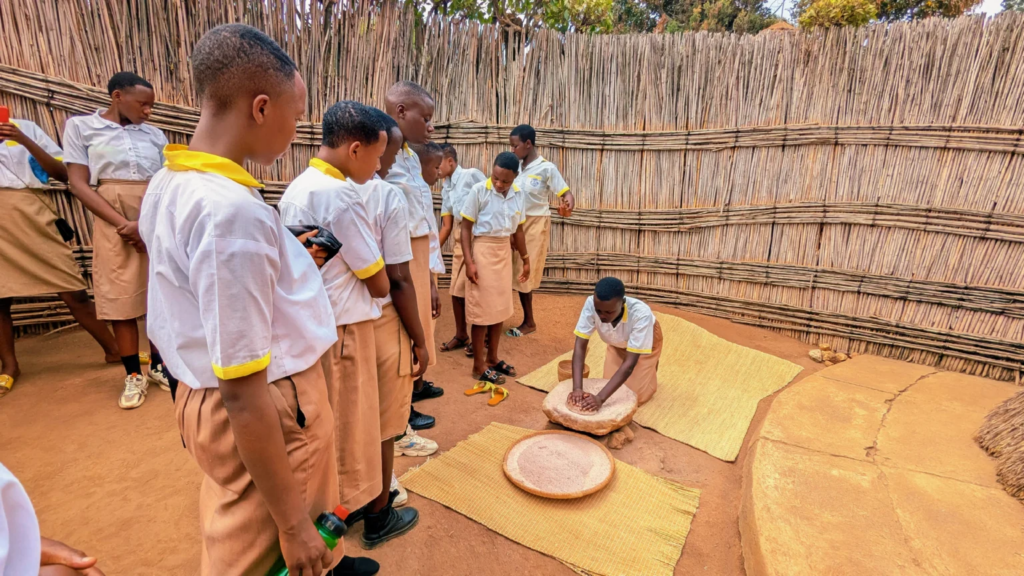
A student demonstrates traditional grain grinding.
The program pays school fees, provides learning materials, offers counseling and mentoring, and supports students who are at risk of dropping out because of poverty and other social challenges.
According to Rukundo Jean Pierre, Programs Manager at Women Plan Rwanda, the organization currently supports 106 students in 18 schools.
He explained that educational tours are much more than rewards for good academic performance.
“Students spend most of their time learning theory in class. We wanted them to experience those lessons in real life. When they visit historical places like the King’s Palace, they understand what they have studied much better. The trips also motivate them to continue learning because they can see the value of staying in school.”
Jean Pierre said the organization works closely with schools and local leaders to identify girls who are at risk of leaving school because of poverty and other challenges. Besides financial support, the program also provides emotional support and life skills to help students overcome those challenges.
Replacing Curiosity with Knowledge
Jean Pierre said one of the main reasons Women Plan Rwanda organizes educational trips is to protect students from deception.
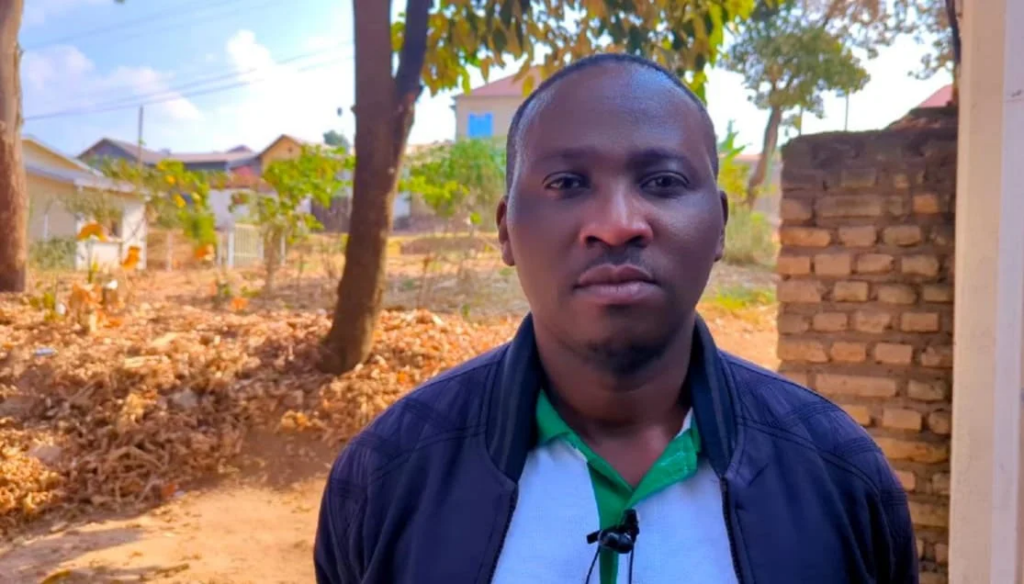
Rukundo Jean Pierre, Programs Manager at Women Plan Rwanda, says educational tours replace curiosity with knowledge, helping vulnerable students stay in school while reducing the risk of deception and exploitation.
According to him, many children become victims simply because they are curious about places they have never seen.
“Curiosity is one of the biggest challenges for young people. Sometimes someone can promise to take a child somewhere special because they know that child has never had the chance to visit that place. But when students have already visited those places safely through school, curiosity becomes knowledge.”
He said the trips remove one of the methods commonly used by people who want to exploit vulnerable children.
“We are closing the gap that bad people can use. Instead of believing strangers, the students know that if they stay in school and continue working hard, they will have more opportunities like this through education. That confidence protects them because they no longer feel they must follow anyone just to experience something new.”
Jean Pierre added that the visits also help preserve Rwanda’s cultural heritage by allowing students to experience traditional homes, royal history, the famous Inyambo cattle, and other important symbols of Rwanda’s identity.
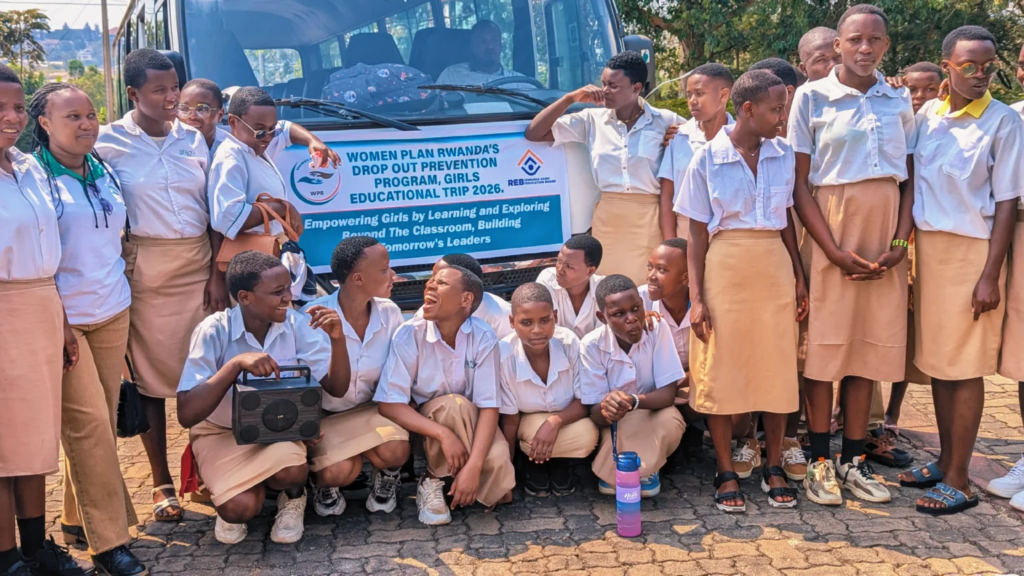
For the students who returned home from Nyanza, the journey was far more than a history lesson. It became a lesson in confidence, safety, and hope.
Instead of depending on strangers to show them the world, they now know that education can do that. And for many of them, the simple words, “I have already been there,” may one day protect them from a false promise that could have changed their lives.
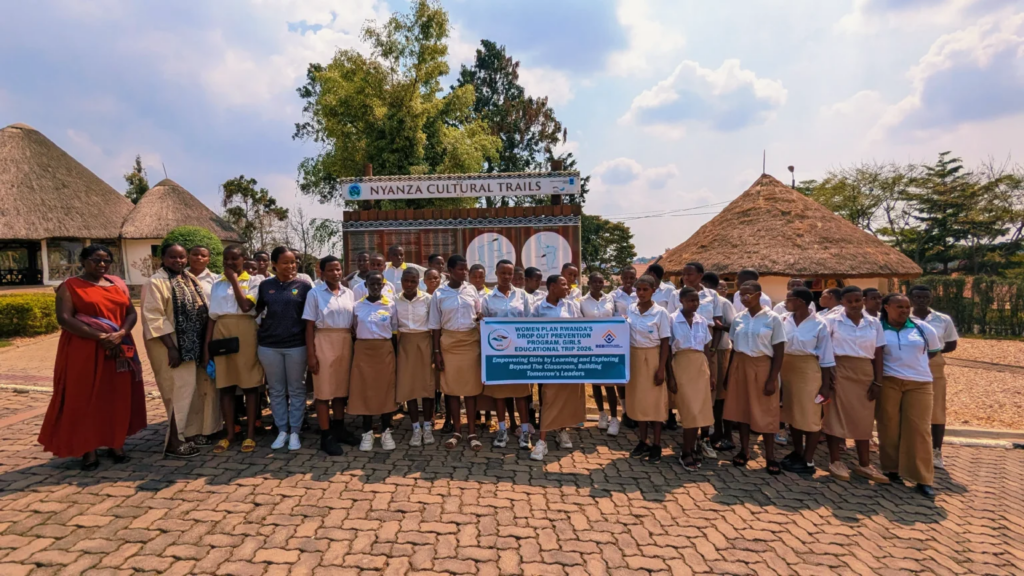
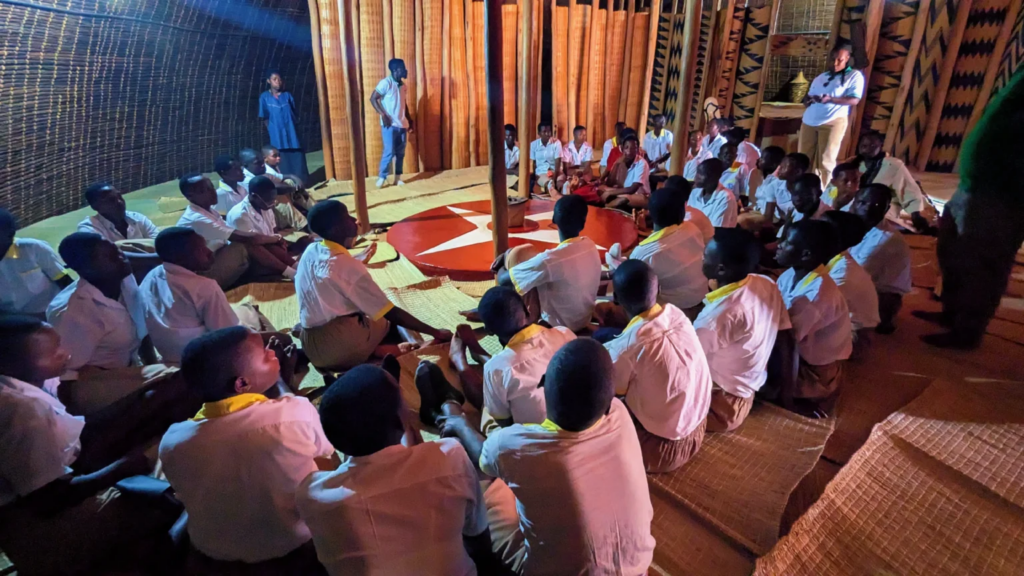
The holiday educational trip gave students practical lessons in history, culture, and personal safety beyond the classroom.
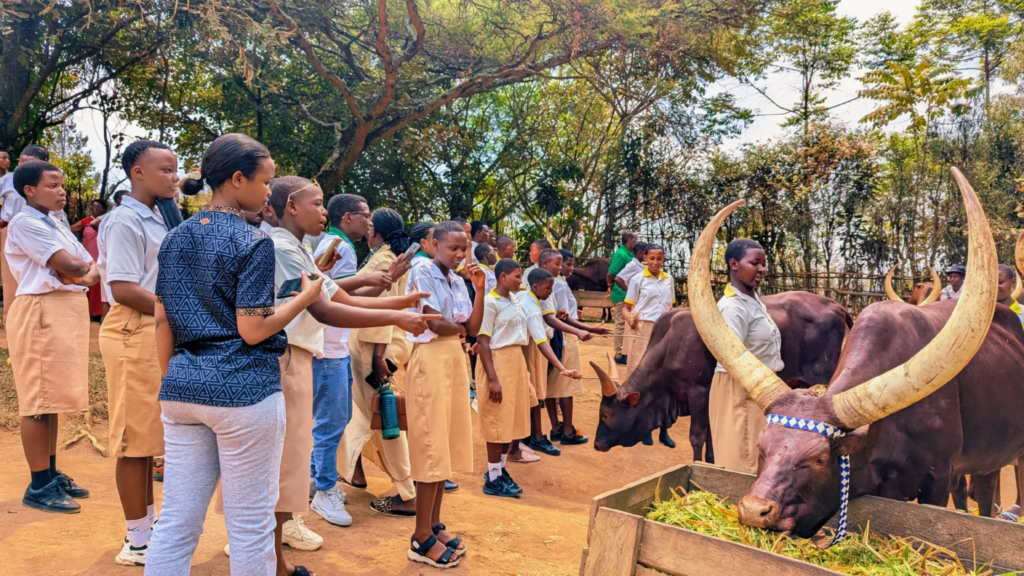
Students observe Rwanda’s traditional Inyambo cattle, an important symbol of the country’s cultural heritage, during the educational visit.
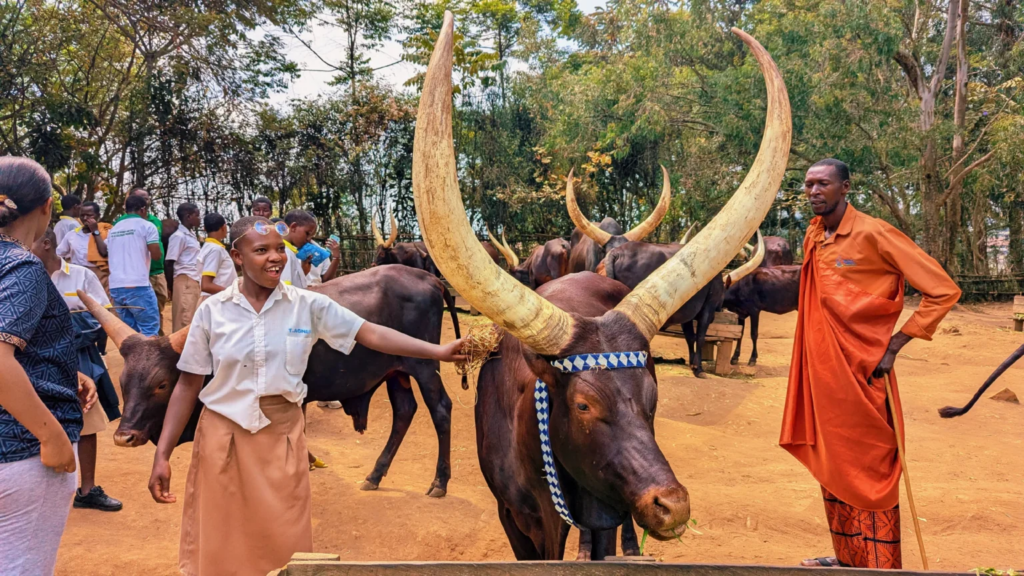
The educational tour gave students their first close look at Rwanda’s famous Inyambo cattle and royal traditions.
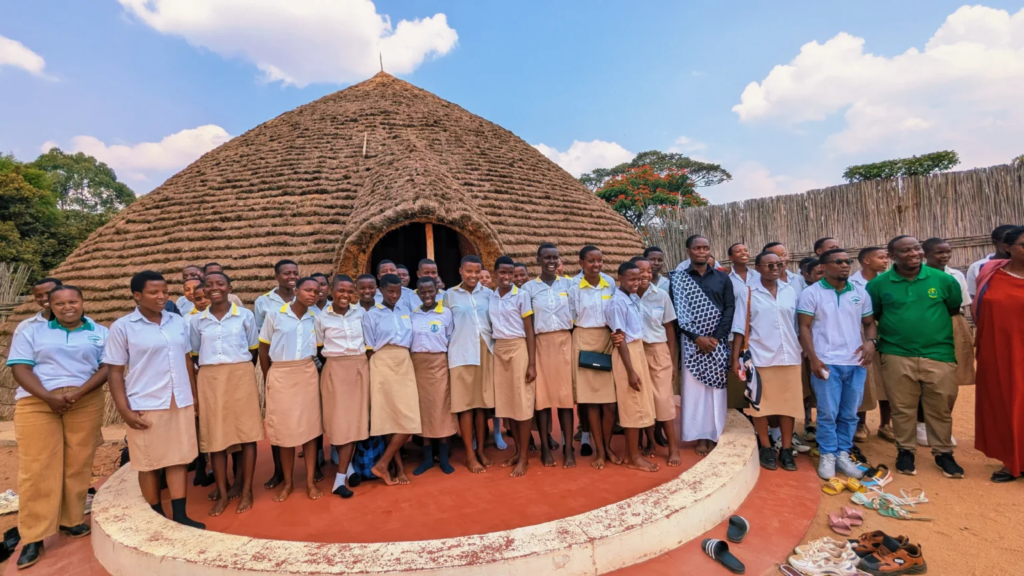
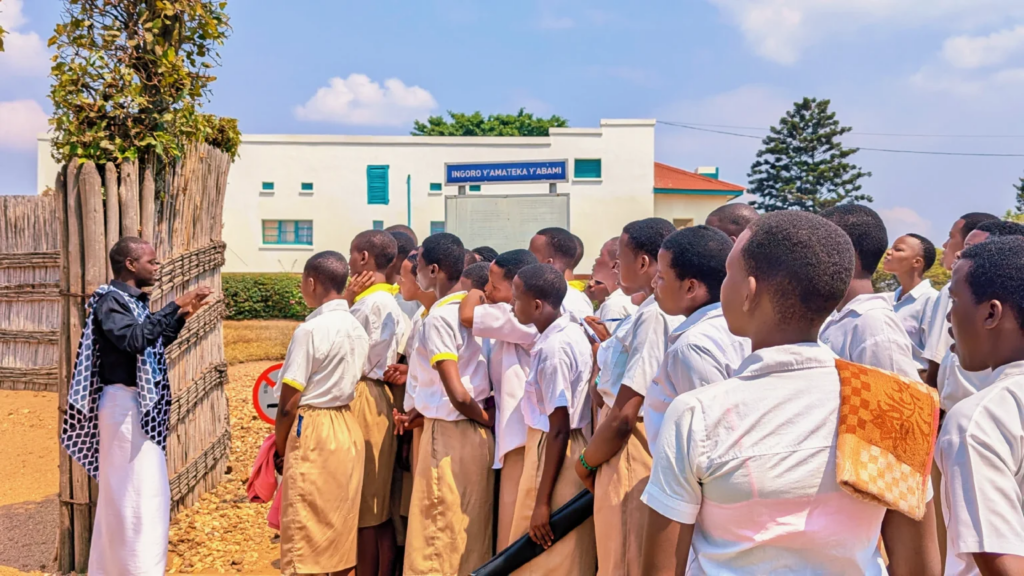
Students follow a guided history lesson outside the King’s Palace Museum as they learn about Rwanda’s royal history and cultural heritage.
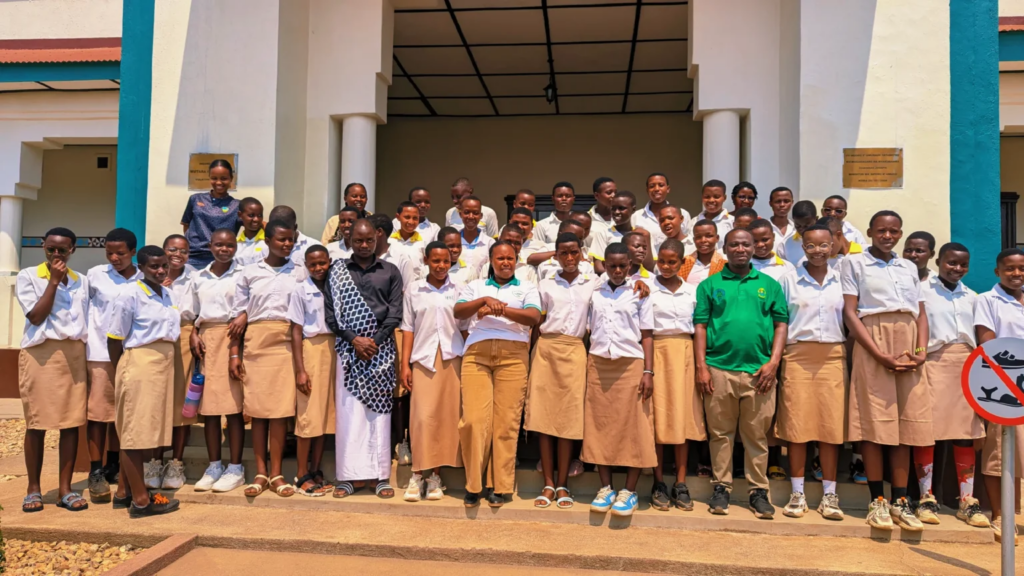
More than 40 girls supported by Women Plan Rwanda visited the King’s Palace Museum in Nyanza during a holiday educational tour aimed at keeping vulnerable students in school and protecting them from deception.