
1. Introduction and Purpose of the Visit
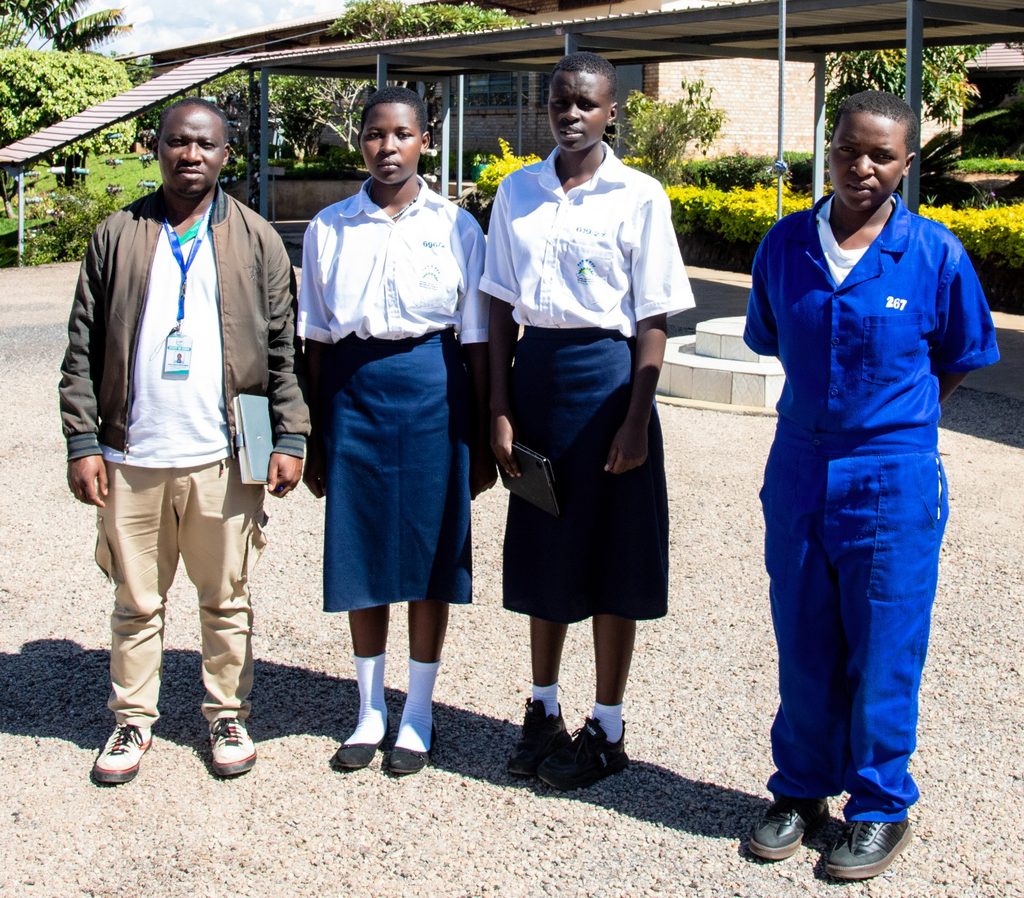
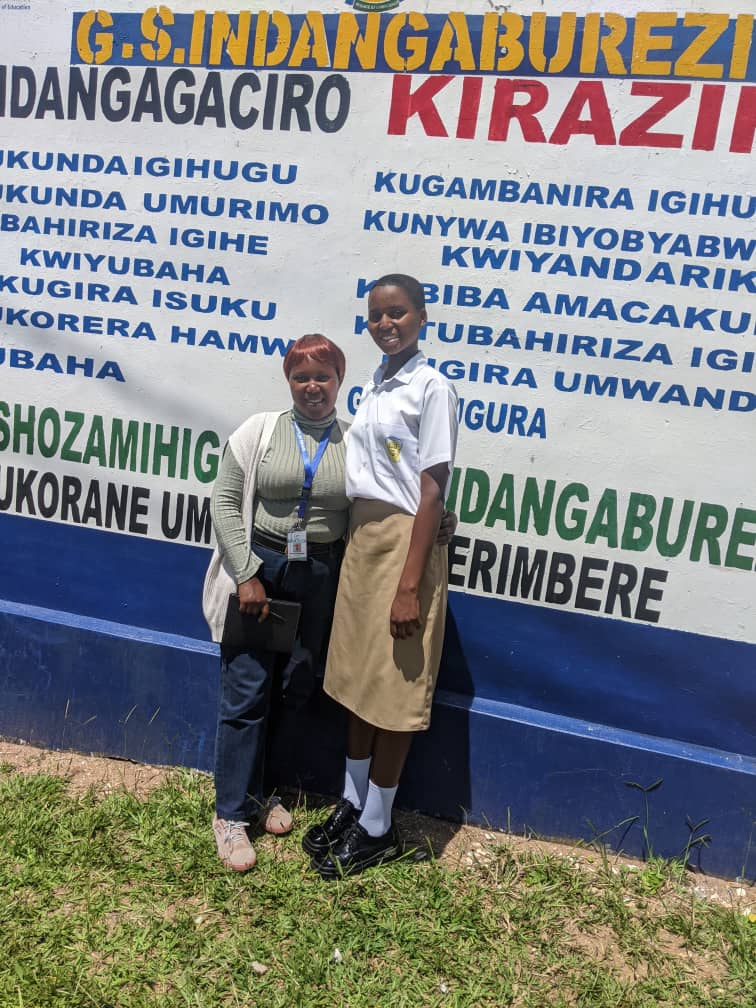
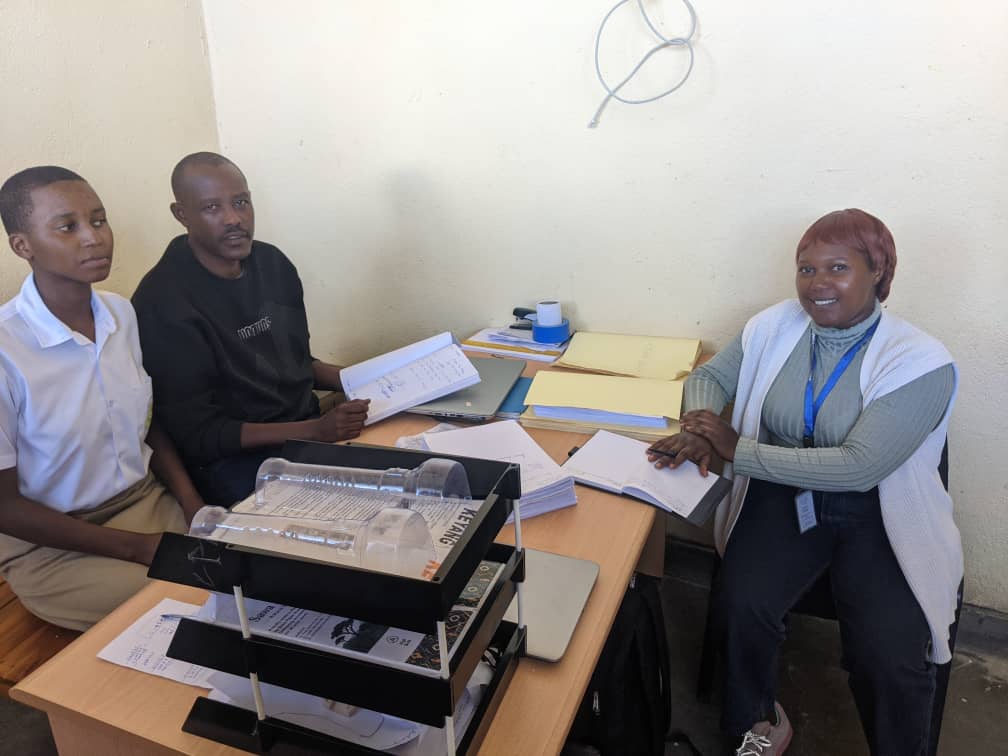
On 25 November 2026, the Women Plan Rwanda (WPR) team conducted a follow-up visit to six DOP-supported students attending four boarding schools in Ruhango and Nyanza Districts. The activity aimed to assess students’ academic progress, school performance, welfare, challenges, and readiness for the First Term examinations of the 2026–2027 academic year. It also provided an opportunity to collect testimonies highlighting the positive impact of the DOP Program on beneficiaries’ education and wellbeing.
2. Key Findings and Students’ Academic Progress
The six students visited were Uwiduhaye Ange (S5 Accounting) and Uwase Saphine (L4 Tourism) in Ruhango District; and Niyomukesha Ashella (L5 Electronics and Telecommunication), Irasubiza Fillette (L4 Renewable Energy), Muhawenimana Aline (L4 Renewable Energy), and Umurangi Jessica (L4 Tourism) in Nyanza District.
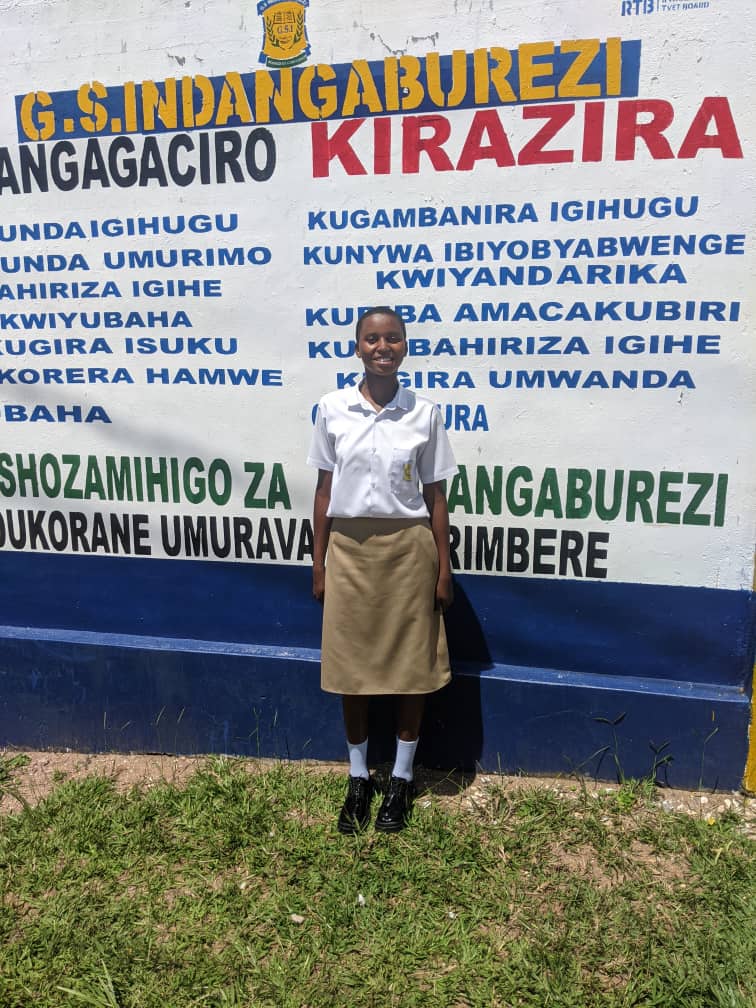
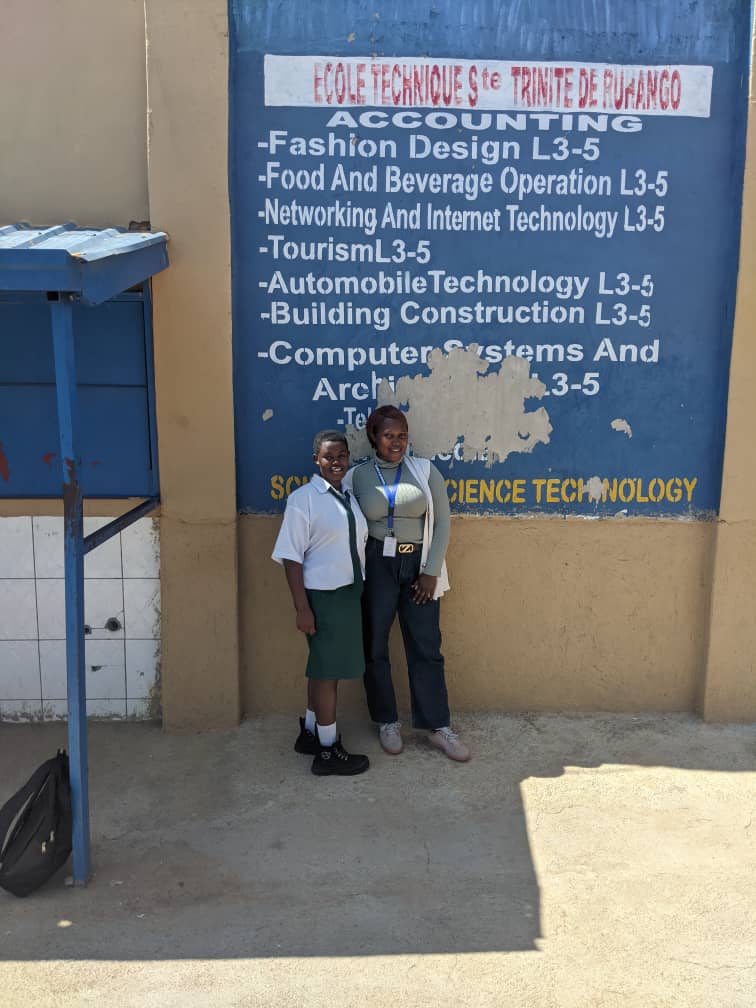
Overall, all six students were doing well and demonstrated positive academic progress. Ange scored 91% and 88% in the first and second midterm tests, respectively, while Saphine scored 82%. Other students also reported improved performance, including Jessica, who achieved 81%, and Ashella, who improved from 59% to 84.61%. The students expressed confidence and motivation ahead of their examinations.
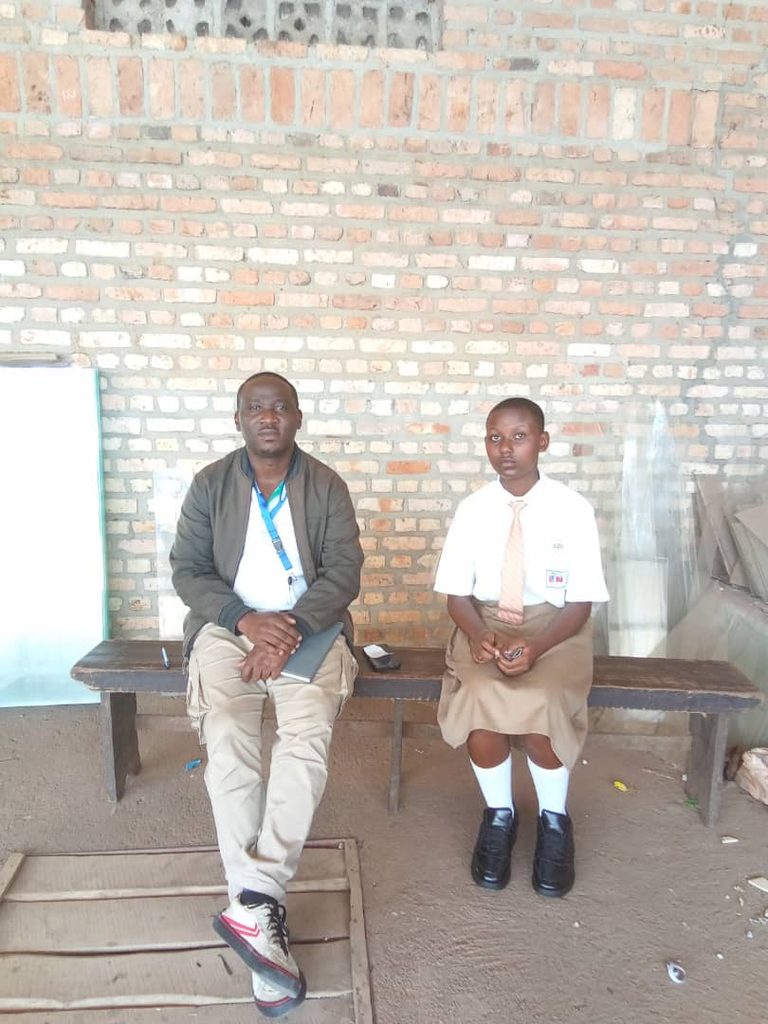
During discussions with school representatives, particularly at Lycée de Nyanza, the team received positive feedback on the importance of student support, discipline, and a conducive learning environment. The school reported strong academic performance, with 99% of its 2025–2026 final-year candidates successfully passing their national examinations.
3. Impact of the DOP Program
Students expressed appreciation for the support received through the DOP Program, particularly school fees, learning materials, menstrual hygiene products, soap, and other essential supplies. They explained that boarding facilities have significantly improved their learning conditions by providing more study time, reducing household responsibilities, and allowing them to concentrate on their education.
Students reported having approximately four hours of personal study time daily, while others benefit from structured evening study sessions. They also highlighted improved school attendance, confidence, personal hygiene, and academic performance. Some beneficiaries shared that the program has restored their hope of continuing their education to university level and becoming productive members of society.
4. Challenges Identified
Despite the positive progress, several challenges were identified:
- Accommodation: Overcrowding in some school dormitories affects students’ sleeping conditions and comfort.
- Access to computers: Students pursuing ICT-related and technical subjects lack sufficient access to computers for practical learning and individual study.
- Internship placements: TVET students preparing for second-term internships need support in finding suitable institutions and accessing the required materials.
- Personal necessities: Some students, including Saphine, reported shortages of essential hygiene supplies such as soap and body lotion.
5. Recommendations
- WPR should explore opportunities to provide computers to students whose academic programs require regular ICT practice.
- The project should support TVET beneficiaries in securing appropriate internship placements and essential practical materials.
- Schools should continue addressing dormitory overcrowding to ensure safe and comfortable accommodation.
- WPR should maintain regular follow-up visits and ensure timely provision of essential personal hygiene supplies and learning materials.
6. Conclusion
The follow-up visit was successful and demonstrated the positive contribution of the DOP Program to students’ academic performance, wellbeing, school attendance, and confidence. The students appreciated the support and expressed determination to achieve at least 85% or higher in their examinations. The activity also strengthened communication between WPR, schools, and beneficiaries while identifying areas requiring further intervention to ensure that vulnerable girls remain in school and achieve their educational goals.
Prepared by: Women Plan Rwanda (WPR) – DOP Program Team