
Sexual Reproductive Health and Rights
At Women Plan Rwanda, we believe that access to gender equality and sexual reproductive health and rights (SRHR) is essential for building empowered individuals and healthy, resilient communities. Our Gender and SRHR Program is dedicated to promoting awareness, access, and advocacy around reproductive health, bodily autonomy, and gender rights especially for women, girls, and youth in rural Rwanda.
Why SRHR and Gender Equality Matter
In many rural areas, girls and women face limited access to accurate information, reproductive healthcare, and protection from harmful practices. Early pregnancies, child marriage, gender-based violence, and social stigma around sexuality continue to pose serious threats to their health, education, and future opportunities.
Without gender equality and reproductive rights, sustainable development cannot be achieved. That’s why our program places a strong focus on education, prevention, access, and advocacy.
What We Do
- Comprehensive Sexuality Education
- Access to Reproductive Health Services
- Prevention of Gender-Based Violence (GBV)
- Advocacy and Capacity Building
Our Impact
Through this program, we have reached thousands of youth, women, and families with life-changing information and services. Girls are staying in school longer, youth are making informed choices about their health, and communities are becoming safer and more inclusive. Our work is helping to shift mindsets, challenge taboos, and protect the rights of the most vulnerable.
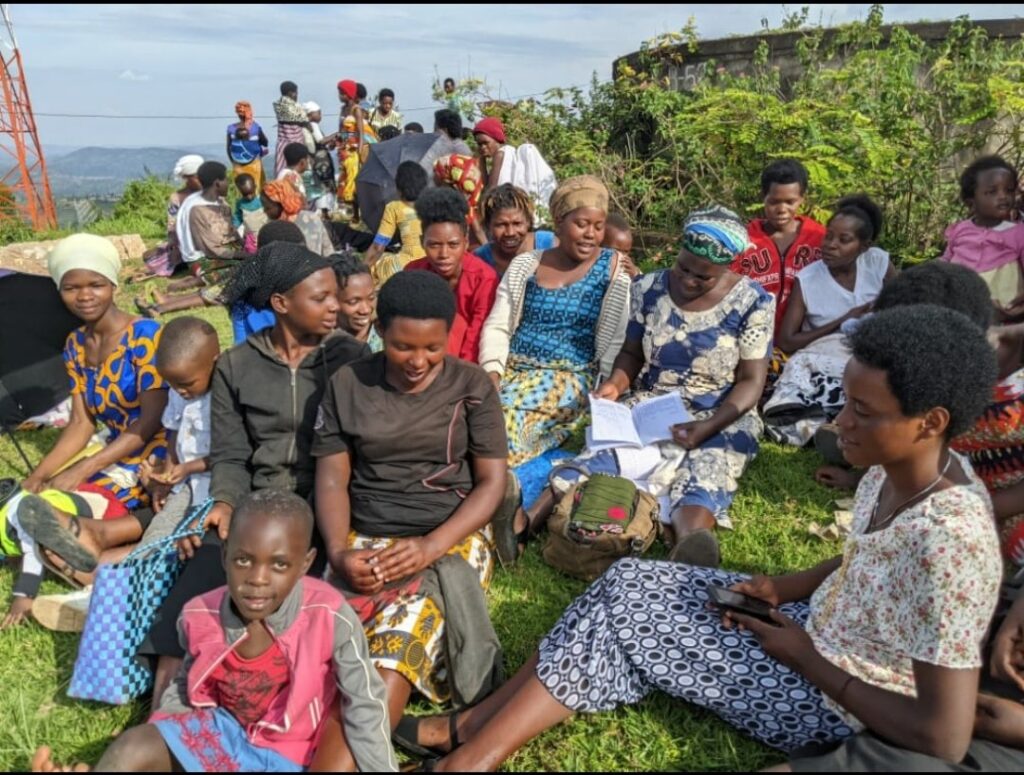
Our SRHR Model
At Women Plan Rwanda (WPR), we believe that every woman and
girl deserves access to accurate information, appropriate health
services, protection and the freedom to make informed decisions
about her body and reproductive life.
Our Sexual and Reproductive Health and Rights (SRHR) approach
recognises that education alone is not enough. Women and girls also
need supportive communities, accessible health services and
opportunities to participate in decisions affecting their lives.
Connecting Schools, Communities and Health Centres to Advance
Sexual and Reproductive Health and Rights
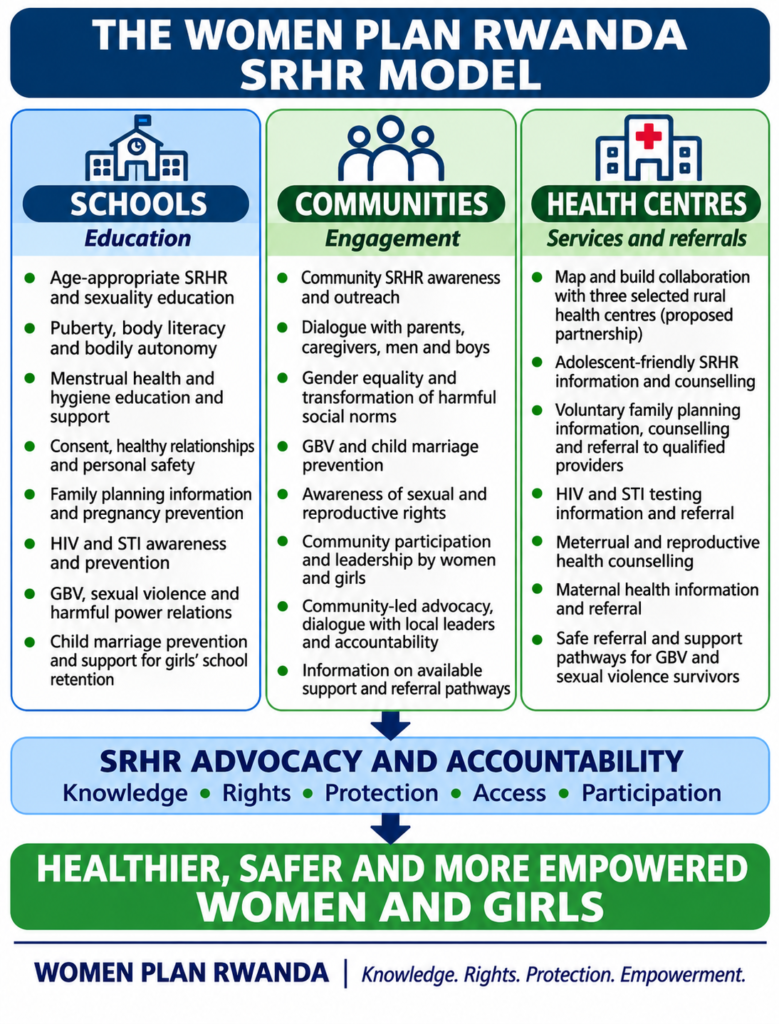
To achieve this, WPR promotes an integrated three-level intervention
model that connects schools, communities and health centres.
Through these three entry points, we work to improve knowledge,
strengthen protection, address harmful social norms and promote
access to appropriate SRHR services.
Our Three Level SRHR Intervention Model
LEVEL 1
1.SCHOOLS: Empowering Adolescent Girls Through Knowledge
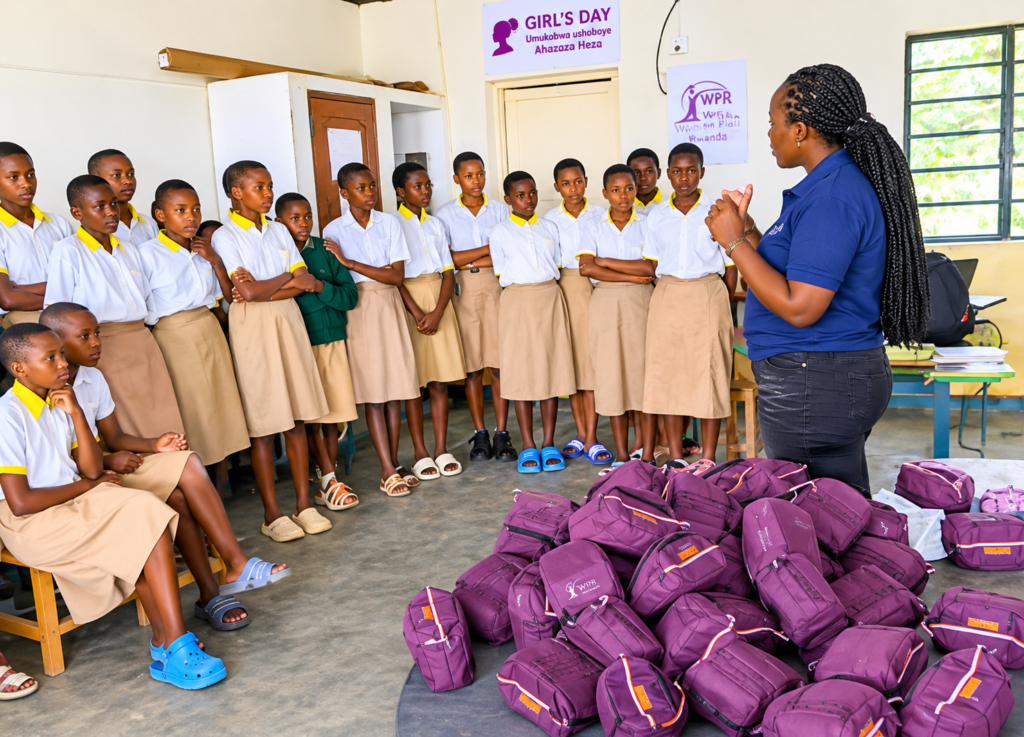
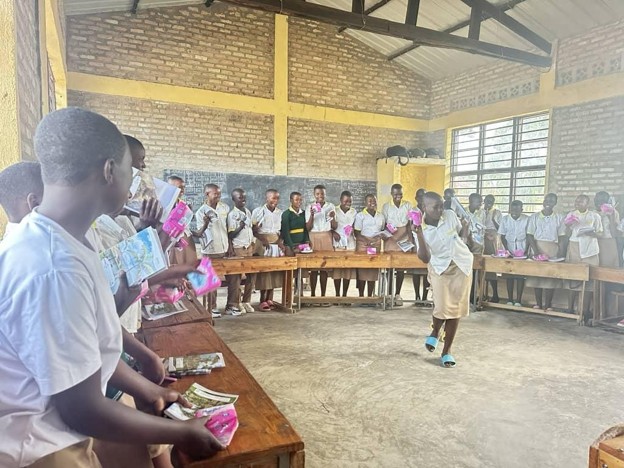
reaching adolescent girls, particularly those from vulnerable rural households. Through our Drop Out Prevention Program (DOPP) and related interventions, WPR equips girls with knowledge and skills to protect their health, understand their rights and make informed decisions.
Our school-based interventions include:
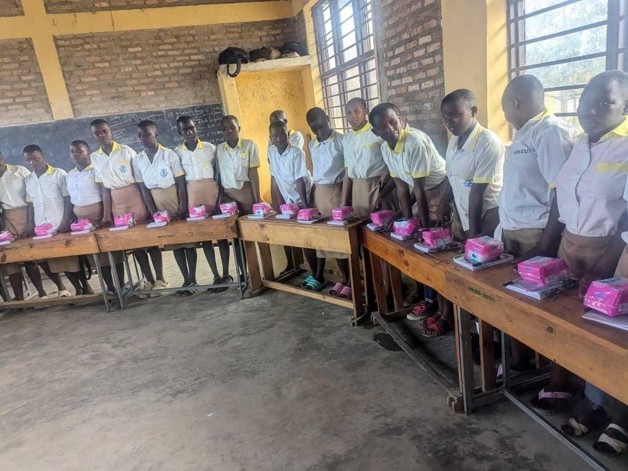
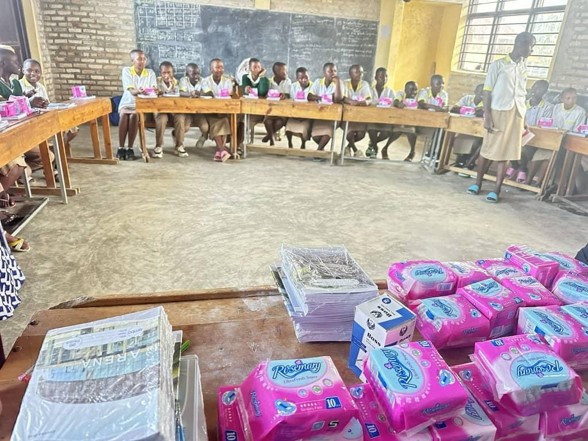
● Menstrual health and hygiene education and sanitary pad support.
● Age-appropriate sexuality education.
● Family planning and reproductive health awareness.
● HIV and sexually transmitted infections (STIs) prevention.
● Gender-based violence and sexual violence prevention.
● Education on power relations, consent and personal boundaries.
● Prevention of teenage pregnancy and child marriage.
Our intended change: Girls become more informed, confident and better equipped to protect their health and rights, remain in school and pursue their aspirations.
LEVEL 2
2. COMMUNITIES: Transforming Attitudes and Social Norms
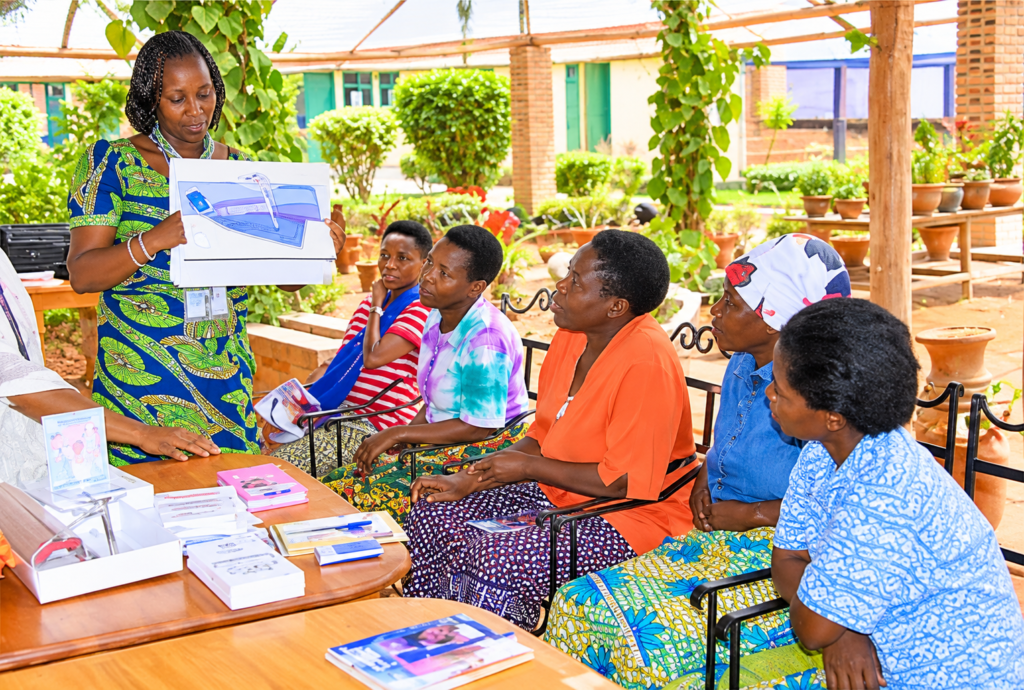
Sexual and reproductive health challenges are influenced by family relationships, cultural expectations, gender inequality and community attitudes. Sustainable change therefore requires engaging the wider community.
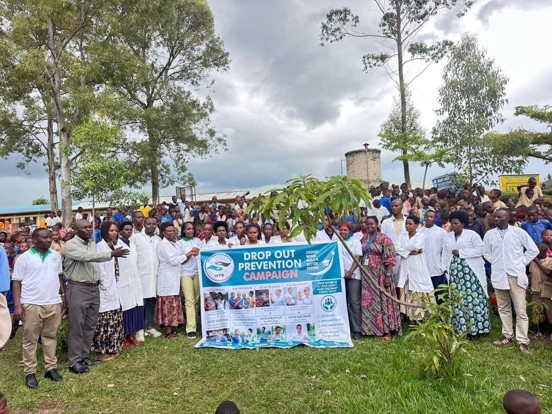
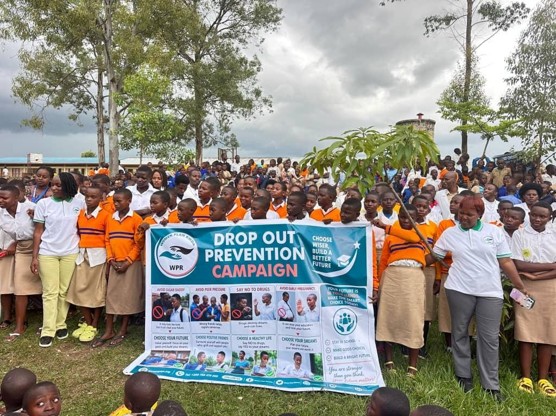
Through community outreach campaigns, awareness sessions and training, WPR works with women, young people, parents, men, boys and community leaders to promote positive attitudes and collective responsibility.
Our community interventions include:
- Community SRHR awareness and education campaigns.
- Engagement of parents, men and boys.
- Dialogue on gender equality and respectful relationships.
- Prevention of child marriage and gender-based violence.
- Addressing harmful social norms and discriminatory practices.
- Promoting women’s and girls’ rights and participation. Strengthening community support and advocacy.
Our intended change: Communities become more supportive environments where women and girls can exercise their rights without stigma, discrimination, coercion or violence.
LEVEL 3
3.HEALTH CENTRES: Connecting Communities to Appropriate Health Services
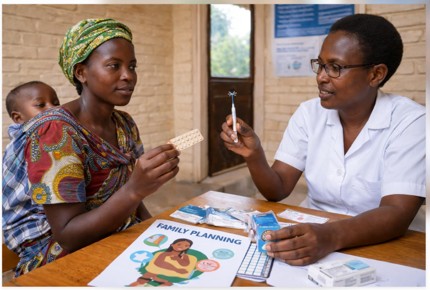
Knowledge and awareness must be accompanied by access to appropriate health services. WPR recognises the important role of health professionals in supporting women and girls to make informed decisions and access
quality reproductive health services.
As part of our SRHR Model, WPR seeks to map and establish collaborative relationships with three selected rural health centres serving our intervention communities.
Our proposed areas of collaboration include:
- Family planning information, counselling and services.
- HIV and STI prevention, testing and treatment referrals.
- Menstrual and reproductive health education.
- Adolescent-friendly health information and services.
- Maternal and reproductive health information.
- Referral and support pathways for survivors of sexual and gender-based violence.
- Community health education in collaboration with qualified health professionals.
Our intended change: Women and girls have better connections to professional health information, appropriate services, counselling and referral mechanisms.
How Our Three Levels Work Together
The strength of the Women Plan Rwanda SRHR Model lies in connecting schools, communities and health centres rather than treating them as separate interventions.
- Schools equip adolescent girls with knowledge, confidence and life skills.
- Communities promote supportive attitudes, challenge harmful social norms and strengthen collective responsibility.
- Health centres connect women and girls with professional health information, appropriate services and referrals.
HEALTHIER, SAFER AND MORE EMPOWERED WOMEN AND GIRLS
Integrating SRHR Across Our Programmes
Drop Out Prevention Programme (DOPP): Supporting vulnerable adolescent girls through education, menstrual health, sexuality education, pregnancy prevention, protection and awareness of their rights.
Single Mothers Empowerment Program (SMEP):
Strengthening the knowledge, reproductive health awareness, decision-making and empowerment of single mothers and young women.
Through these programmes, we recognise that advancing SRHR is not only about improving individual health outcomes. It is also about addressing inequalities, protecting educational opportunities, strengthening women’s autonomy and building communities where women and girls can thrive.
Our Commitment
We are committed to building communities where every girl can grow up with knowledge and dignity, every woman can make informed decisions about her reproductive health, and everyone can exercise their rights without fear, discrimination or violence.
Knowledge. Rights. Protection. Empowerment.
Together, building a future where every rural woman and girl can understand, exercise and advocate for her sexual and reproductive health and rights.

Join the Movement
Educate. Empower. Protect. Advance Gender and SRHR for All.
Promoting gender equality and sexual reproductive rights is not just about health—it’s about justice, dignity, and opportunity. Together, we can empower individuals to make informed choices and live healthier, more empowered lives.